
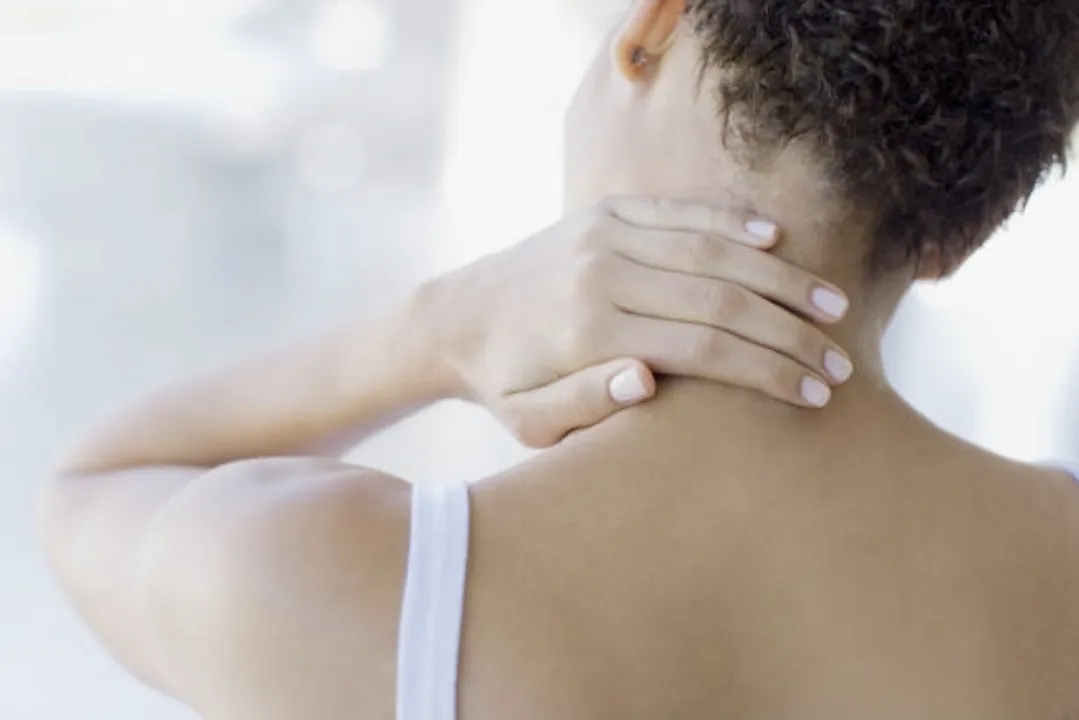
If you’ve ever thought, “This injury happened years ago — why does it still bother me?” you’re not alone. At Active Life Chiropractic, I meet people every week who are still dealing with pain, stiffness, or limited mobility from injuries they thought had healed long ago. Maybe it was a high school sports injury. Maybe it was a car accident. Maybe it was surgery, a fall, or a sprain that never felt quite right afterward.
Most people assume that once the initial pain goes away, the body “moves on.” But the truth is, your body often doesn’t forget — especially when scar tissue is involved. Scar tissue may be out of sight, but it’s definitely not out of mind. It affects how you move, how you feel, and how your body responds to stress even decades later.
That’s why I’m such a strong advocate for shockwave therapy for old injuries in Columbia, MO. This regenerative treatment helps break down thick, stubborn scar tissue, improves blood flow, and stimulates true healing — even when the injury is years or decades old.
If you’ve been feeling stuck with long-term pain or stiffness, this may finally be the solution that restores your movement and comfort.
Old Injuries Don’t Always “Heal” the Way You Think They Do
The human body is incredible, but it doesn’t always heal injuries with the same quality of tissue you originally had. When you sprain, strain, tear, or damage a part of your body, your tissues rush to repair the injury as quickly as possible. And while this helps close the wound and protect the area, it doesn’t always lead to ideal healing.
Instead of neatly rebuilding tissue, your body forms scar tissue — dense, rigid collagen fibers that act more like a patch than a true repair. Over time, this patch can become:
- stiff
- tight
- poorly flexible
- painful
- easily irritated
Scar tissue may help the area heal quickly, but it seldom heals fully.
That’s why many people say things like:
- “My ankle has never been the same since that sprain.”
- “My knee always feels tight after that surgery.”
- “My shoulder still pops from an injury I got 10 years ago.”
This isn’t weakness or aging — it’s scar tissue. And without treatment, scar tissue doesn’t just “break down” on its own. It often gets worse with time.
Why Scar Tissue Causes Pain Years Later
People are often shocked to learn how impactful scar tissue really is. Even small injuries can create long-lasting adhesions that stick to surrounding tissues, restrict movement, and cause recurring pain.
Scar tissue affects the body in several ways:
1. It Restricts Movement
Scar tissue is not as flexible as healthy tissue. This means the affected area cannot stretch or move as freely as before, leading to tightness and reduced mobility.
2. It Pulls on Surrounding Structures
Scar tissue doesn’t just sit still — it binds to tissue around it. This creates uneven tension throughout muscles and joints, causing pain in areas you wouldn’t expect.
3. It Reduces Blood Flow
Healthy tissue needs oxygen and nutrients. Scar tissue restricts circulation, preventing full recovery and fueling chronic inflammation.
4. It Alters Biomechanics
When one area doesn’t move properly, the rest of your body compensates. This leads to new injuries, muscle imbalances, and joint stress.
5. It Irritates Nerves
Scar tissue can press on nerves or reduce mobility in the pathways where nerves glide, causing tingling, burning, numbness, or radiating pain.
This is why so many people feel “stiff,” “uneven,” or “off-balance” years after an injury. Their body has been adapting around the scar tissue instead of functioning the way it was built to.
Why Shockwave Therapy Is a Breakthrough for Old Injuries
Traditional treatments — like stretching, heat, ice, massage, or medication — can temporarily ease the symptoms, but they don’t change the scar tissue itself.
That’s where regenerative shockwave therapy in Columbia, MO steps in. It’s one of the few treatments that directly targets scar tissue at a structural level.
Shockwave therapy uses acoustic sound waves to create micro-pulses deep inside the injured tissue. These pulses:
- break up scar tissue adhesions
- increase blood flow
- stimulate collagen remodeling
- promote regeneration of healthy tissue
- reduce chronic inflammation
This means the tissue doesn’t just feel better — it actually becomes healthier and more functional.
Shockwave therapy acts like a “reset button” for stubborn scar tissue, allowing the body to restart a healing process that stalled years ago.
What Old Injuries Respond Best to Shockwave Therapy?
In Columbia, MO, some of the most common long-standing injuries I see respond extremely well to shockwave therapy, including:
- Old ankle sprains that cause weakness or stiffness when walking
- Shoulder injuries (rotator cuff strains, labrum issues, old dislocations)
- Knee injuries from sports, falls, or surgery
- Plantar fasciitis that returns again and again
- Hamstring or quad strains that healed poorly
- Lower back injuries from lifting, car accidents, or athletics
- Surgical scars that feel tight, raised, or painful
- Hip injuries that cause uneven gait or chronic tension
- Chronic tendonitis that never fully resolved
These injuries often create layers of scar tissue over time. Shockwave therapy breaks through those layers to restore smoother, healthier tissue function.
What Does Shockwave Therapy Feel Like?
One of the reasons patients love this treatment is because it’s non-invasive. No injections. No incisions. No downtime.
During treatment, you’ll feel a series of tapping or pulsing sensations in the targeted area. The intensity is adjustable based on comfort, and each session lasts about 10–15 minutes.
After treatment, many people experience:
- immediate reduction in stiffness
- improved range of motion
- decreased pain or pressure
- a feeling of “lightness” or improved mobility
As the tissue remodels in the weeks ahead, the results get better and better.
How Shockwave Therapy Fits with Chiropractic Care
Scar tissue doesn’t just affect the injured area — it often affects posture, alignment, and movement patterns.
That’s why I frequently combine shockwave therapy with chiropractic care.
Together, they:
- align the spine
- restore joint function
- break down dysfunctional soft tissue
- retrain proper movement
- reduce compensation patterns
- support long-term mobility
- prevent future injuries
This combination is especially important for old injuries because the body has spent years compensating. Correcting alignment helps ensure the improvements from shockwave therapy last.
Lifestyle Tips to Support Healing From Old Injuries
While shockwave therapy is powerful, small lifestyle shifts can amplify your results. I often recommend:
1. Gentle Mobility Work
Daily stretching helps maintain tissue flexibility as scar tissue breaks down.
2. Hydration
Tissues remodel better when properly hydrated.
3. Strengthening Weak Areas
Weak muscles contribute to compensation patterns that worsen scar tissue.
4. Improving Posture
Poor posture can pull on old scar tissue and lead to recurring pain.
5. Avoiding Overuse
Repeating the same motions without proper recovery can worsen adhesions.
When combined with shockwave therapy, these habits support more complete, lasting recovery.
Why Columbia, MO Residents Choose Active Life Chiropractic
People throughout Columbia are searching for solutions to pain that has been holding them back for years. They’re tired of being told to “just live with it” or “take this medication.”
What they want is real healing — and that’s exactly what I aim to provide.
At Active Life Chiropractic, I approach every old injury with the same questions:
- Why is the pain still here?
- What tissue hasn’t healed properly?
- What imbalances are causing compensation?
- How can we restore natural movement?
- How can we prevent this from coming back?
Using a combination of chiropractic care, alignment work, and regenerative shockwave therapy, we help patients finally experience relief they didn’t think was possible.
Conclusion
Old injuries don’t have to shape your future. If you’re still dealing with pain, stiffness, or limited movement from an injury that happened months, years, or even decades ago, now is the time to take action. Scar tissue pain treatment in Columbia, Missouri through shockwave therapy offers a non-invasive, highly effective way to break down adhesions, restore healthier tissue, and reclaim the mobility you’ve been missing.
At Active Life Chiropractic, I’m here to help you finally address the root cause — not just the lingering symptoms. Through targeted, regenerative treatment, we can help your body heal in ways you may not have believed were possible.
If you’re ready to feel better, move better, and regain your confidence in your body again, the next step is simple —
click here to set up a consultation and let’s start rebuilding your health together.